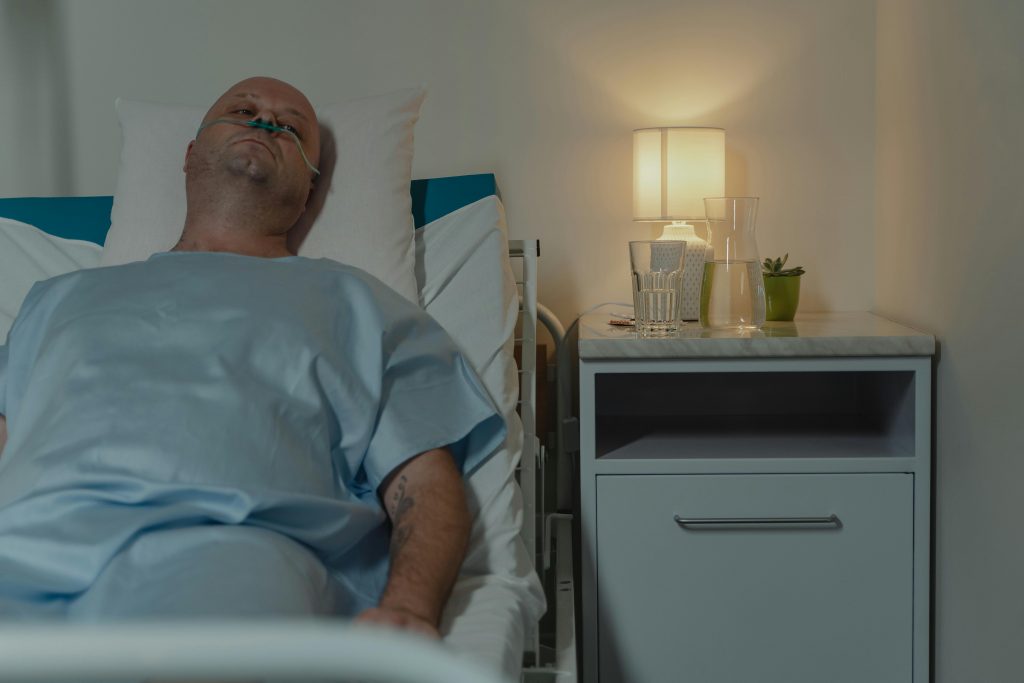
The campaign to legalise assisted dying for terminally ill adults in the UK has reached a critical, yet fragile, stage in Parliament. After passing the House of Commons with a clear majority—a historic moment for the long-debated issue—the Terminally Ill Adults (End of Life) Bill is now facing an unprecedented challenge in the House of Lords. The legislation, which would allow mentally competent, terminally ill adults with a prognosis of six months or less to be provided with assistance to end their lives, is in danger of being killed not by a vote, but by a process known as ‘filibustering’.
The immediate roadblock is the sheer volume of amendments tabled by opponents of the bill during its Committee Stage in the House of Lords. Over 1,000 amendments have been proposed—a number that is widely considered to be a parliamentary record for a Private Member’s Bill of this size. At the first Committee sitting in November 2025, Peers debated only two small groups of amendments in nearly five hours, making alarmingly slow progress. Analysis suggests that, at this rate, it could take well over a decade to get through all the proposed changes. Since the government has maintained its neutral stance and declined to allocate extra time, the Bill is confined largely to Friday sittings. This procedural bottleneck is viewed by supporters as a calculated attempt by a small group of Peers to ensure the Bill runs out of time before the parliamentary session ends, effectively killing the legislation without having to vote against its core principle.
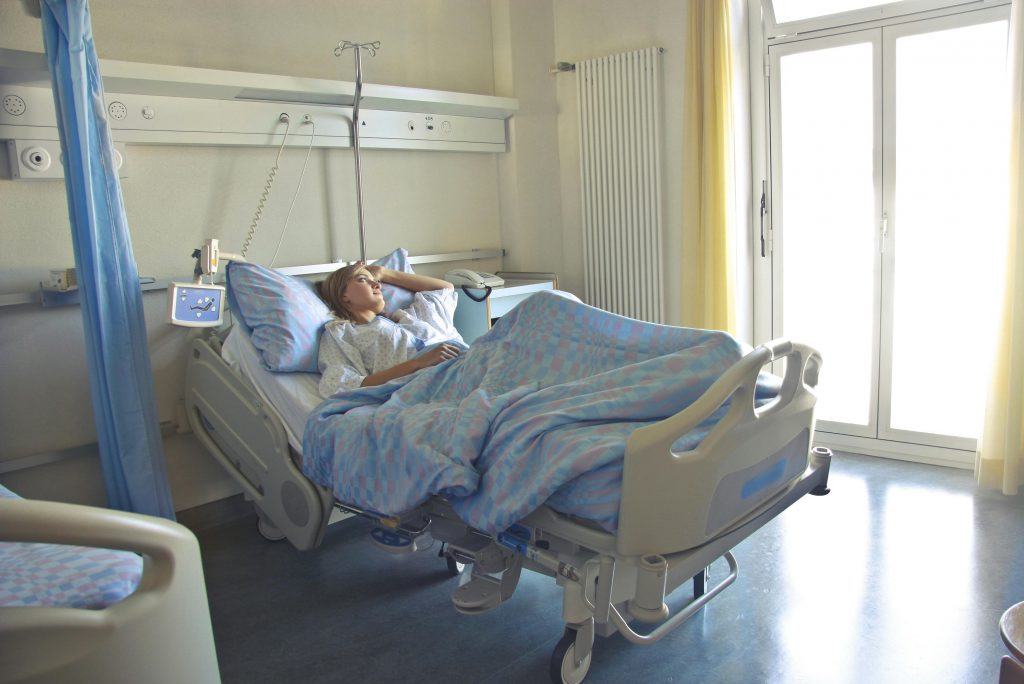
The highly emotional and complex debate surrounding the Bill centres on two powerful, opposing arguments: compassion and protection. Proponents argue that the current law forces individuals with terminal, unbearable suffering to endure inhumane deaths or travel abroad to places like Switzerland, which is only an option for those who can afford it. They maintain that the Bill’s safeguards—including the requirement for two independent doctors to confirm eligibility, multiple assessments of mental capacity, and an oversight panel—are robust and necessary to restore personal autonomy and dignity at the end of life. Opponents, however, warn of the “slippery slope,” fearing that any change could place pressure on vulnerable individuals—the elderly, sick, or disabled—to feel they are a burden and should end their lives prematurely. They also stress that the focus should instead be on achieving universal access to high-quality palliative care, an issue which the Bill’s progress has nonetheless helped to bring into sharper national focus.
Despite the procedural crisis in the Lords, the Bill’s journey through the Commons and the widespread public support (recent polls consistently show over 60% backing for the law change) highlight a fundamental tension between the democratically elected chamber and the unelected second chamber. The slow pace and the tactic of legislative delay have prompted concerns about whether the will of the Commons, and indeed the public, is being subverted by a few determined Peers. The coming weeks will be critical, as supporters lobby for more dedicated parliamentary time to prevent this landmark Bill from succumbing to a “death by delay.”