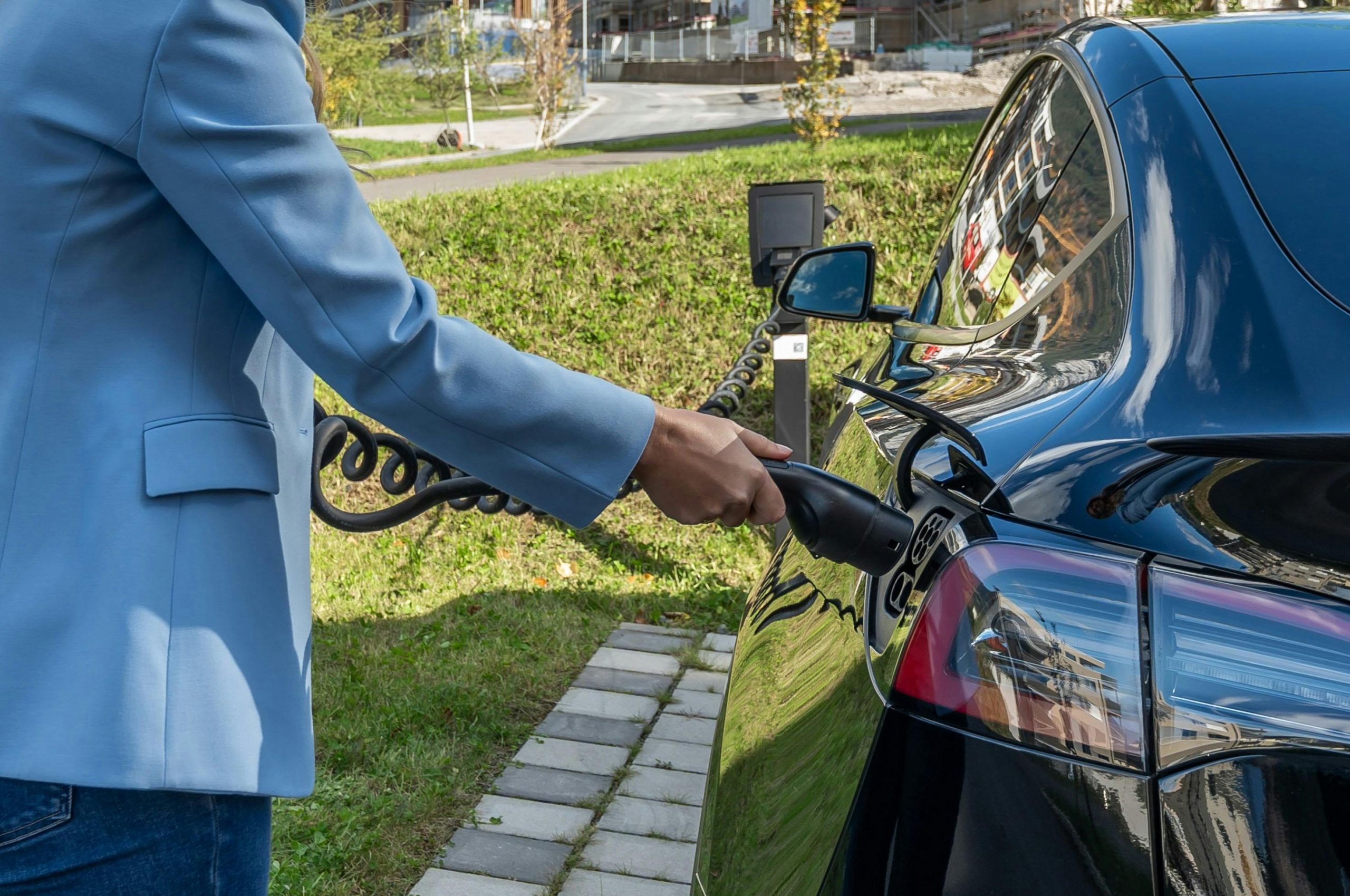
The UK Government’s commitment to electric mobility has received a major boost with the reintroduction and expansion of the Electric Car Grant (ECG), offering significant discounts to private buyers. The scheme, which was rebooted in July 2025 with £650 million in funding, is now offering savings of up to £3,750 off the cost of eligible new, fully electric cars. This intervention comes amidst fluctuating consumer demand and aims to accelerate the transition to zero-emission vehicles ahead of the 2035 phase-out of new petrol and diesel car sales. The move is not just a consumer subsidy; it is directly tied to supporting UK manufacturing, with models like the Sunderland-made Nissan LEAF now qualifying for the maximum discount.
The new ECG is more than a simple price cut; it is structured to reward sustainability. Vehicles priced at or under £37,000 RRP can qualify for one of two tiers: Band 1 offers the maximum £3,750 grant for models that meet the highest sustainability standards, including low embodied carbon scores and commitments to verified Science-Based Targets (SBTs) for emissions reduction. Band 2 offers a £1,500 grant for vehicles meeting the core environmental criteria. This tiered approach is designed to guide the market towards the most sustainably produced electric cars. Crucially, buyers do not need to apply for the grant; the discount is automatically applied by the dealership at the point of sale.
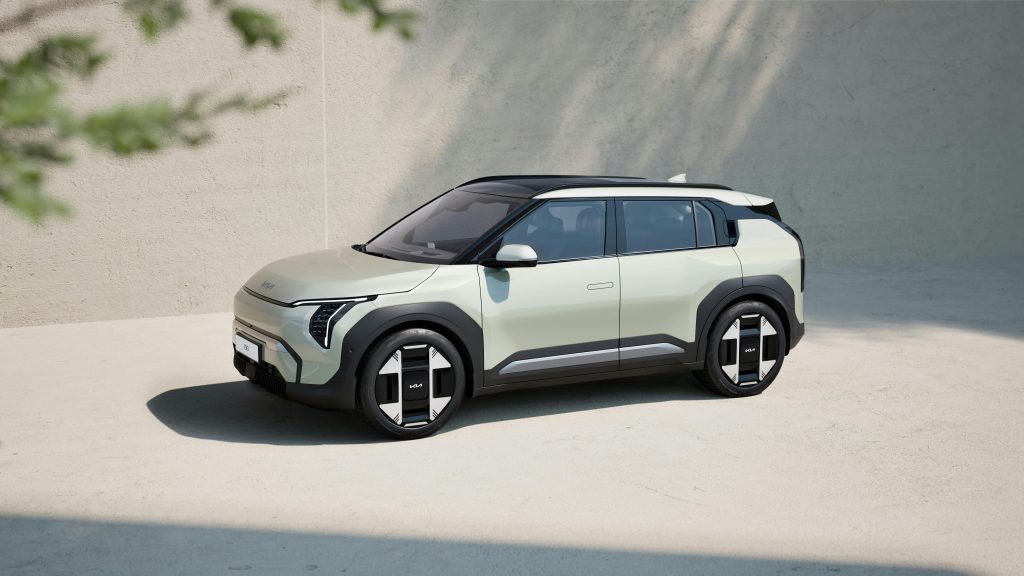
The scheme has proven highly popular, leading to a recent announcement of an extra £1.3 billion top-up in funding, potentially extending the scheme’s eligibility until the financial year 2029-2030. This long-term commitment is vital for both consumer confidence and manufacturer planning. However, this positive news arrives alongside contentious reports regarding a potential future pay-per-mile road tax on EVs to plug the looming fuel duty revenue gap. While the grant cuts upfront costs, the prospect of a new tax could confuse potential buyers and risk dampening the very momentum the ECG is designed to create. The government will need to carefully balance these financial incentives and future taxation plans to ensure a smooth and successful transition to electric motoring.