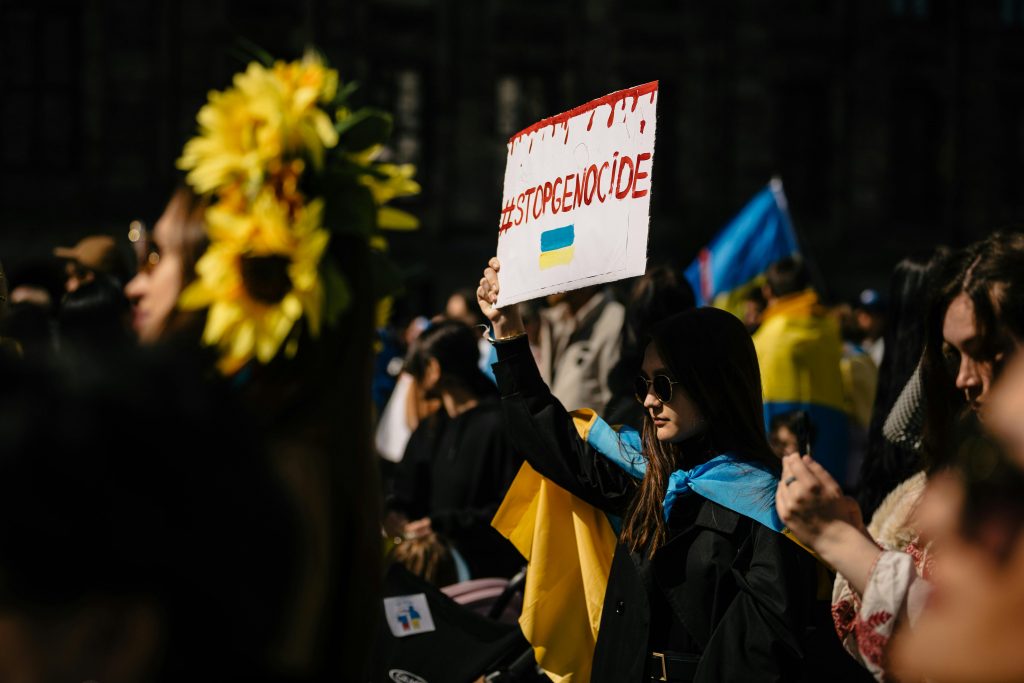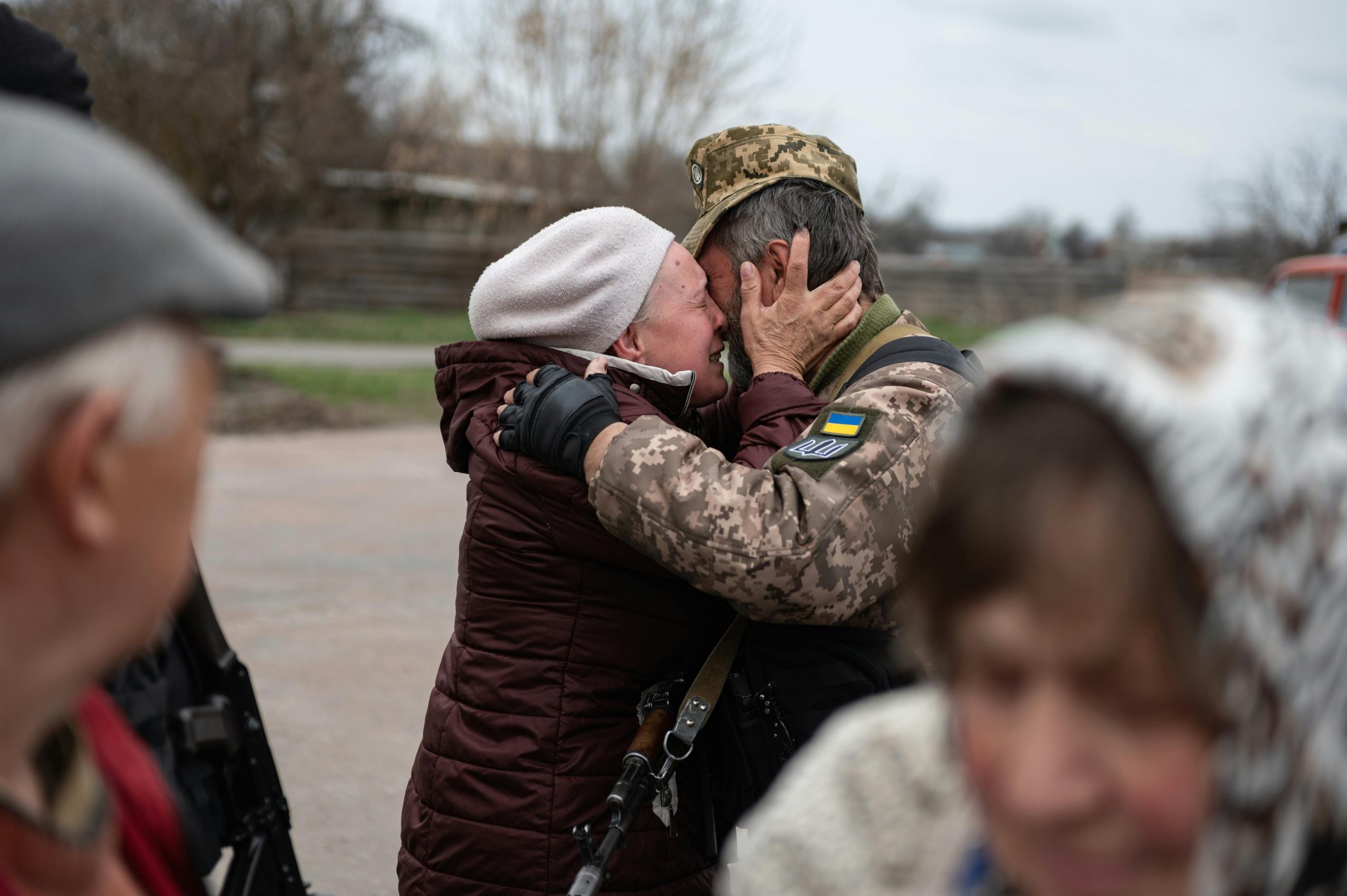
The war in Ukraine has entered one of its most critical and complex phases, moving the conflict from a purely military struggle to an intense diplomatic and humanitarian crisis. Recent days have seen a massive surge in pressure on Kyiv to accept a US-backed peace proposal, a deal that both European allies and President Zelenskyy have described as demanding painful and unprecedented concessions. As Russia continues a brutal aerial campaign targeting civilian energy infrastructure, the stakes for Ukraine’s future sovereignty have never been higher.
The controversial 28-point proposal, reportedly drafted by US and Russian officials, has met with fierce resistance from within Ukraine and among European NATO members. Key provisions, including the requirement for Ukraine to cede significant territory, permanently rule out NATO membership, and limit the size of its military, are seen by many as amounting to a “capitulation” to Russia’s demands. The US administration has set an aggressive timeline, strongly implying that failure to agree to the deal could result in the cessation of vital intelligence sharing and weapons supplies. President Zelenskyy has stated that the nation faces an impossible choice: “losing our dignity or losing a key ally,” highlighting the extraordinary bind Kyiv finds itself in. The Kremlin, for its part, has acknowledged receiving the plan but continues to insist on its maximalist war aims, indicating a high probability that it would not adhere to the proposed terms if a better option presents itself.
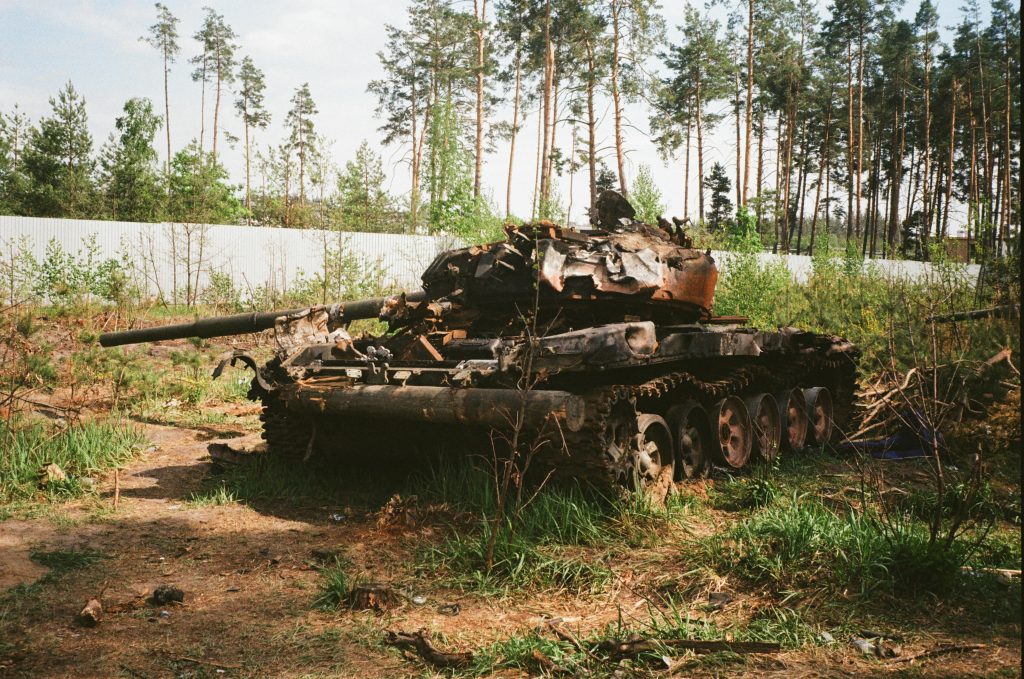
Compounding the diplomatic and political turmoil is the devastating humanitarian situation. Russia’s systematic attacks on energy infrastructure—the highest in recorded history for the conflict—are plunging millions of Ukrainians into darkness and cold as winter rapidly sets in. Cities across the country, from the frontline regions to western hubs, have suffered mass casualty strikes, with a recent attack in Ternopil reportedly killing at least 26 people. Schools are closing, and children’s education is being shattered as power and water outages become prolonged and frequent. The relentless drone and missile strikes are not only a military tactic but a direct strategy to inflict suffering on the civilian population, aiming to break the nation’s morale and pressure its leadership into accepting the unfavourable peace terms.
The coming days will be pivotal. Ukraine’s determination to resist occupation remains strong, yet the combined weight of foreign political pressure, dwindling external aid, and a brutal winter campaign on infrastructure creates an existential crisis. The focus must now be on how Ukraine navigates this political precipice while sustaining the resilience that has defined its struggle for nearly four years. The world watches to see if diplomatic pressure will force a peace that guarantees further instability, or if Kyiv can secure a more just and lasting resolution.