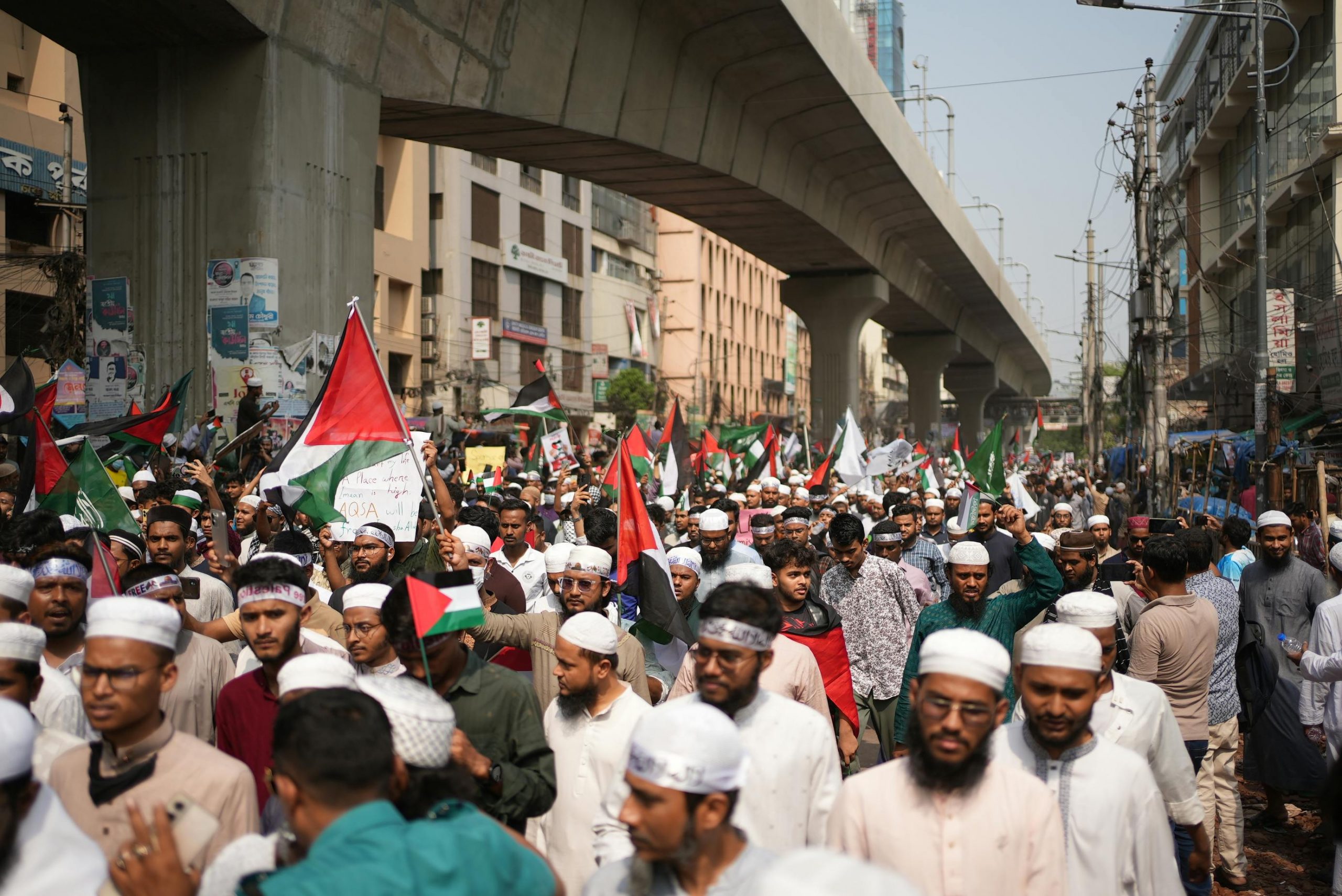
In a landmark and highly controversial ruling, Bangladesh’s International Crimes Tribunal (ICT) sentenced former Prime Minister Sheikh Hasina to death on charges of crimes against humanity. The verdict, delivered in Dhaka on Monday, found the ousted leader guilty of ordering and failing to prevent a deadly crackdown on anti-government protests that swept the nation in July and August of 2024, ultimately leading to the collapse of her 15-year rule. The court convicted Hasina on several counts, including incitement to violence and the direct ordering of lethal force—including the use of drones and helicopters—against unarmed civilian protesters. Former Home Minister Asaduzzaman Khan Kamal was also sentenced to death, while a former police chief who became a state witness received a five-year prison term.
The verdict was announced amid unprecedented security across Dhaka and in Hasina’s absence, as she fled to India in August 2024 and remains in exile. In a statement released shortly after the ruling, the 78-year-old Awami League leader fiercely rejected the tribunal’s decision, calling it “biased and politically motivated.” She argued that the ICT was a “rigged tribunal” established by the current Muhammad Yunus-led interim government with no democratic mandate, aimed solely at removing her and nullifying the Awami League as a political force ahead of upcoming elections. Despite her pleas for an independent investigation into the events, the tribunal’s findings highlighted her direct responsibility, describing her as the “mastermind, conductor and superior commander” of the atrocities.
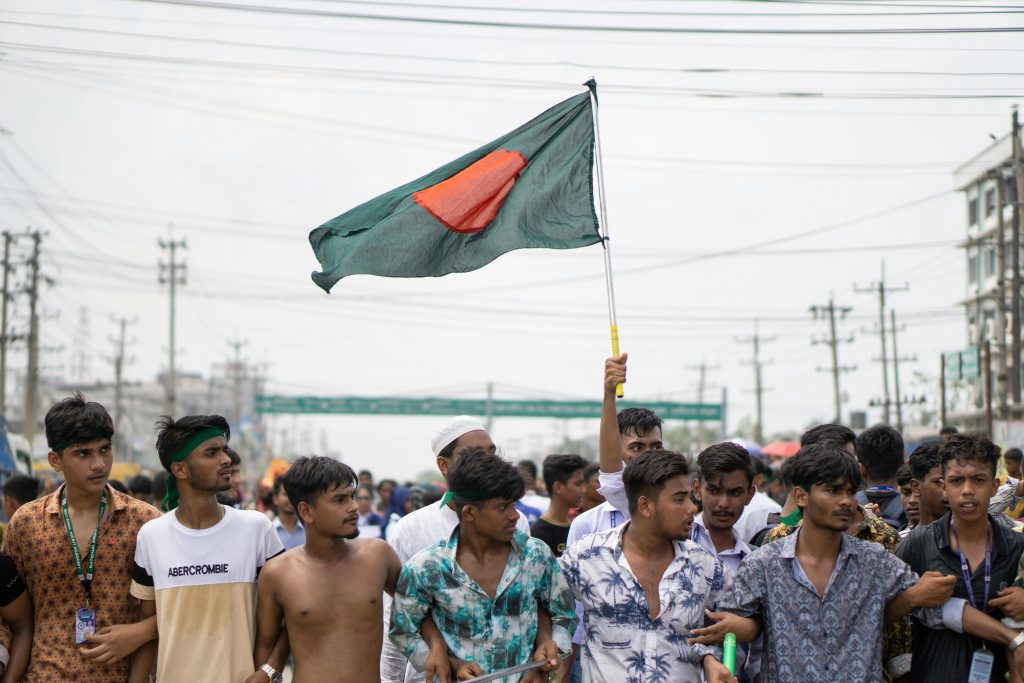
The dramatic sentence is poised to significantly reshape Bangladesh’s political landscape, which remains tense following the uprising and the installation of the interim government. Immediately following the verdict, the current government reiterated its call for India to extradite Hasina to face her sentence, citing an existing extradition treaty. However, experts point out the treaty allows for refusal if the offense is deemed “political in nature,” complicating the diplomatic situation for New Delhi, which has so far remained non-committal. With the Awami League banned from contesting the scheduled February elections and security forces on high alert, the ruling has triggered strong reactions—from cheers inside the courtroom to calls for a nationwide shutdown by her supporters—underscoring the deep political divisions in the nation.