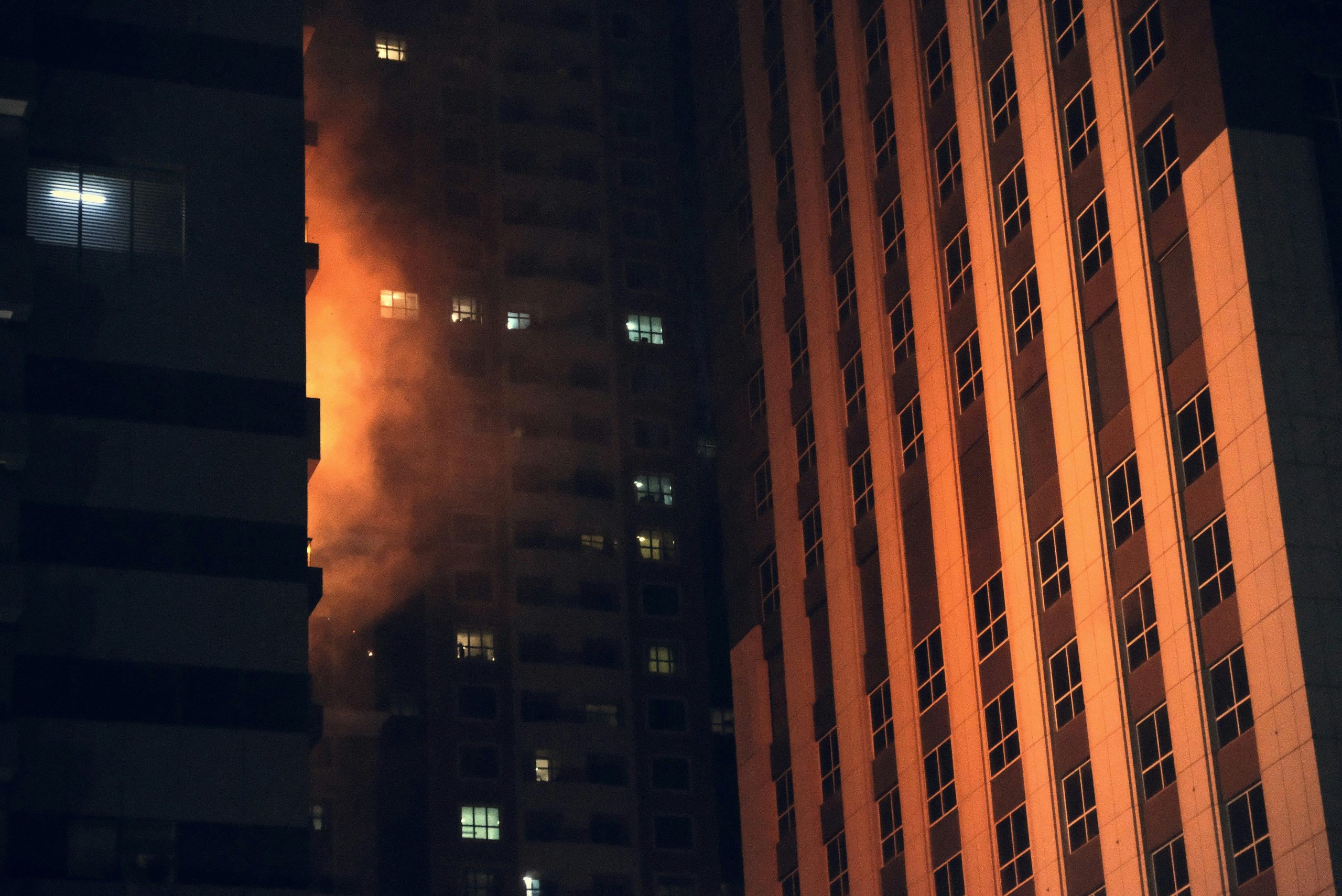
Hong Kong, a city renowned for its towering skyscrapers and vibrant urban landscape, has recently been grappling with a concerning spate of fire incidents. These blazes, ranging from residential high-rises to commercial complexes, have not only caused significant damage and disruption but have also tragically resulted in fatalities and injuries, casting a spotlight on the unique challenges of fire safety in one of the world’s most densely populated cities.
The inherent characteristics of Hong Kong’s urban fabric contribute to the complexity of fire management. The city’s towering residential and commercial buildings often house numerous subdivided flats, workshops, and mixed-use spaces, sometimes with inadequate fire prevention measures or illegal alterations. Older buildings, in particular, may lack modern sprinkler systems, fire-resistant materials, and clear escape routes, making them highly vulnerable. When a fire breaks out in such environments, it can spread rapidly, trapping residents and posing immense challenges for the Fire Services Department (FSD).
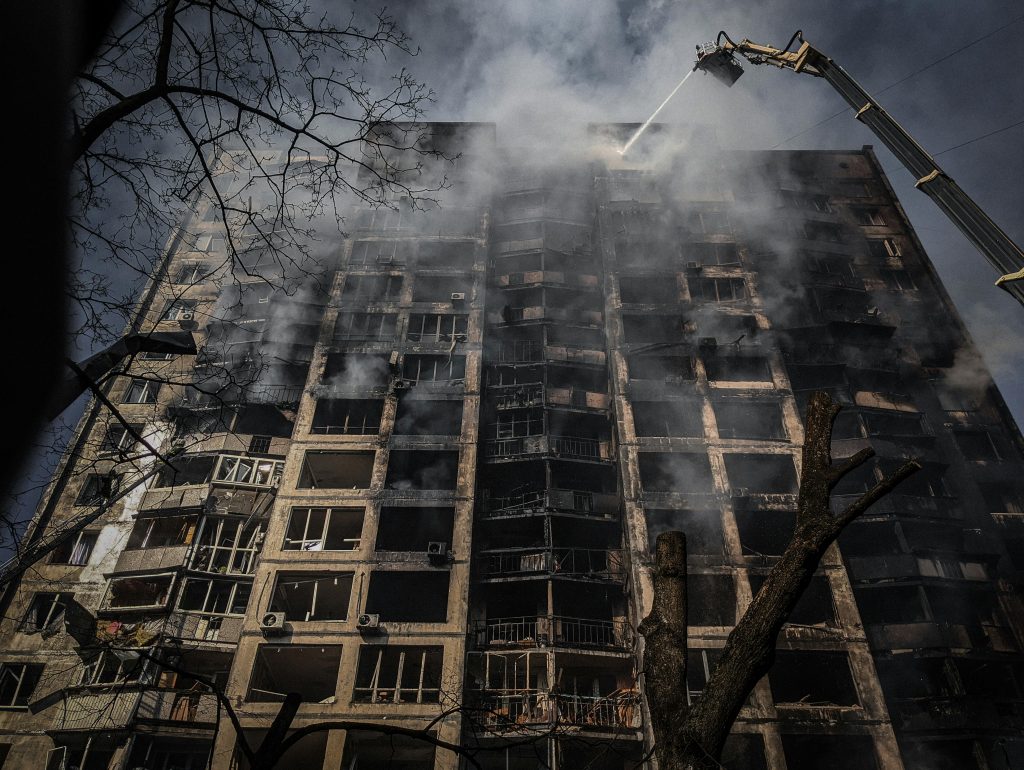
Recent incidents have highlighted several recurring issues. Electrical faults, often exacerbated by overloaded circuits in older buildings or makeshift wiring in subdivided units, are a common cause. Improper storage of flammable materials, especially in industrial or commercial units within residential buildings, also poses a significant risk. The narrow streets and dense vehicular traffic in many districts can impede fire engine access, delaying critical initial response times. Furthermore, the sheer verticality of Hong Kong’s buildings means that firefighters often face arduous tasks, battling blazes many stories above ground level, requiring specialised equipment and highly skilled personnel.
The Hong Kong Fire Services Department (FSD) consistently demonstrates exceptional bravery and professionalism in tackling these challenging situations. However, the frequency and severity of recent fires underscore the immense pressure they operate under. These incidents inevitably lead to public discussions and government reviews concerning existing fire safety regulations and their enforcement. There's often a renewed call for stricter inspections of older buildings, greater accountability for property owners and management companies, and enhanced public awareness campaigns on fire prevention.

Beyond the immediate response, the long-term impact of these fires includes significant financial losses for businesses and individuals, displacement of residents, and psychological trauma for those affected. The recurrent nature of these incidents also brings into focus the ongoing urban planning debate: how to balance the need for affordable housing and commercial space with uncompromised safety standards in a rapidly evolving city.

Ultimately, while the FSD continues its vital work, the recent fires serve as a stark reminder of the continuous need for vigilance, robust regulatory oversight, and collective responsibility from property owners, tenants, and the government to ensure the safety and resilience of Hong Kong's vertical communities. The ongoing challenge is to adapt fire safety strategies to keep pace with the city's dynamic growth and its unique structural complexities.